Seeing Is Believing. Reuters Chose Not to Look.
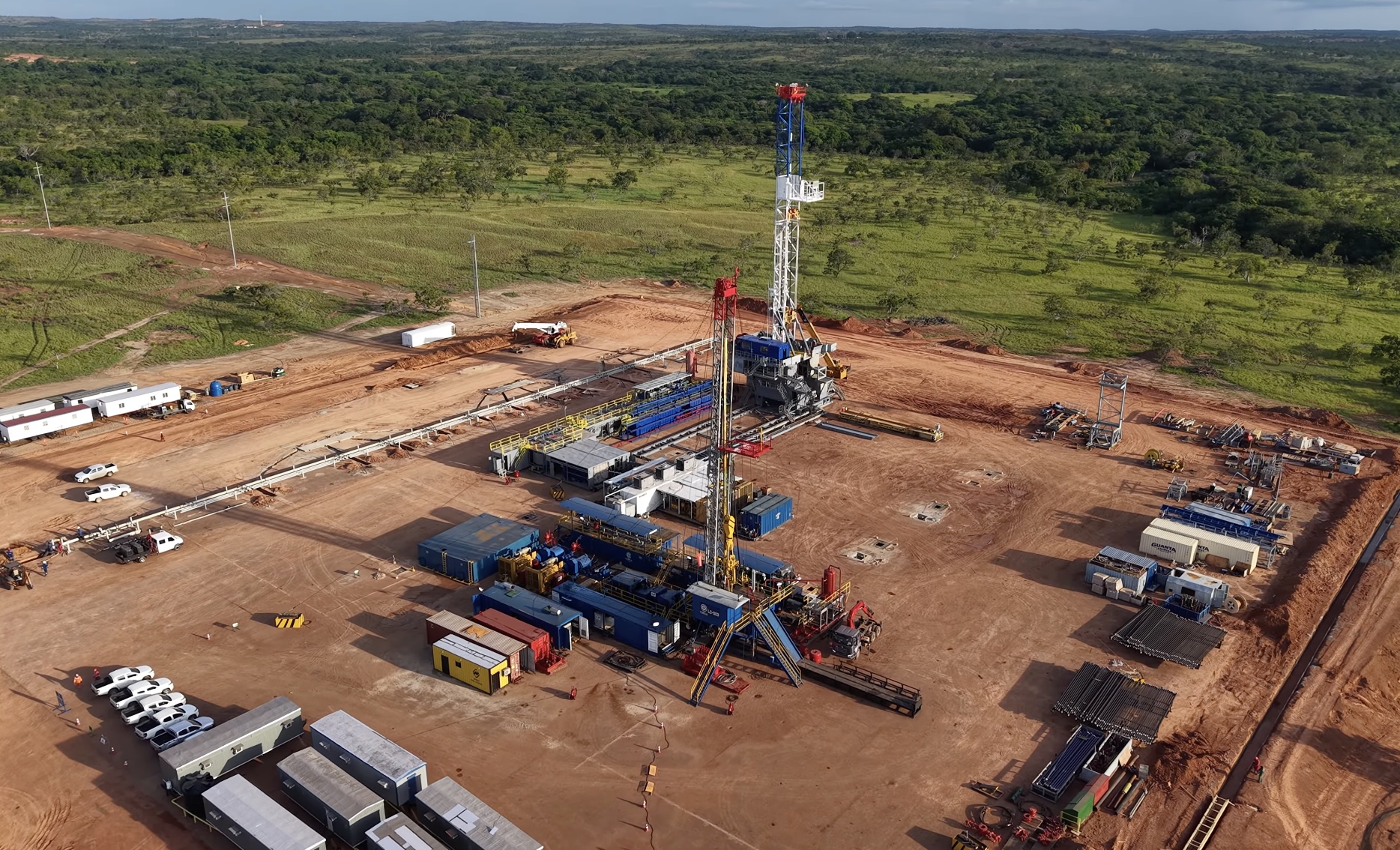
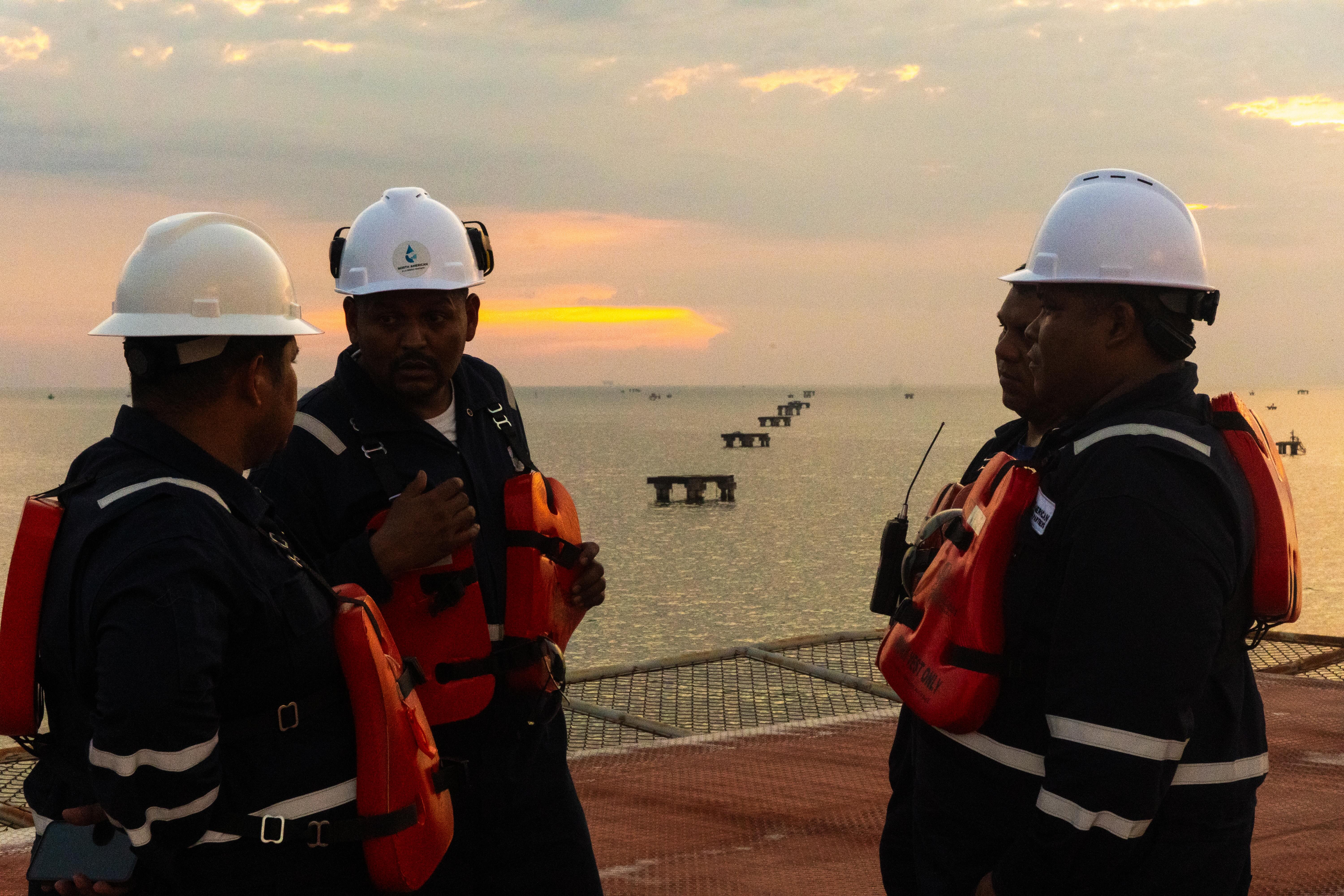
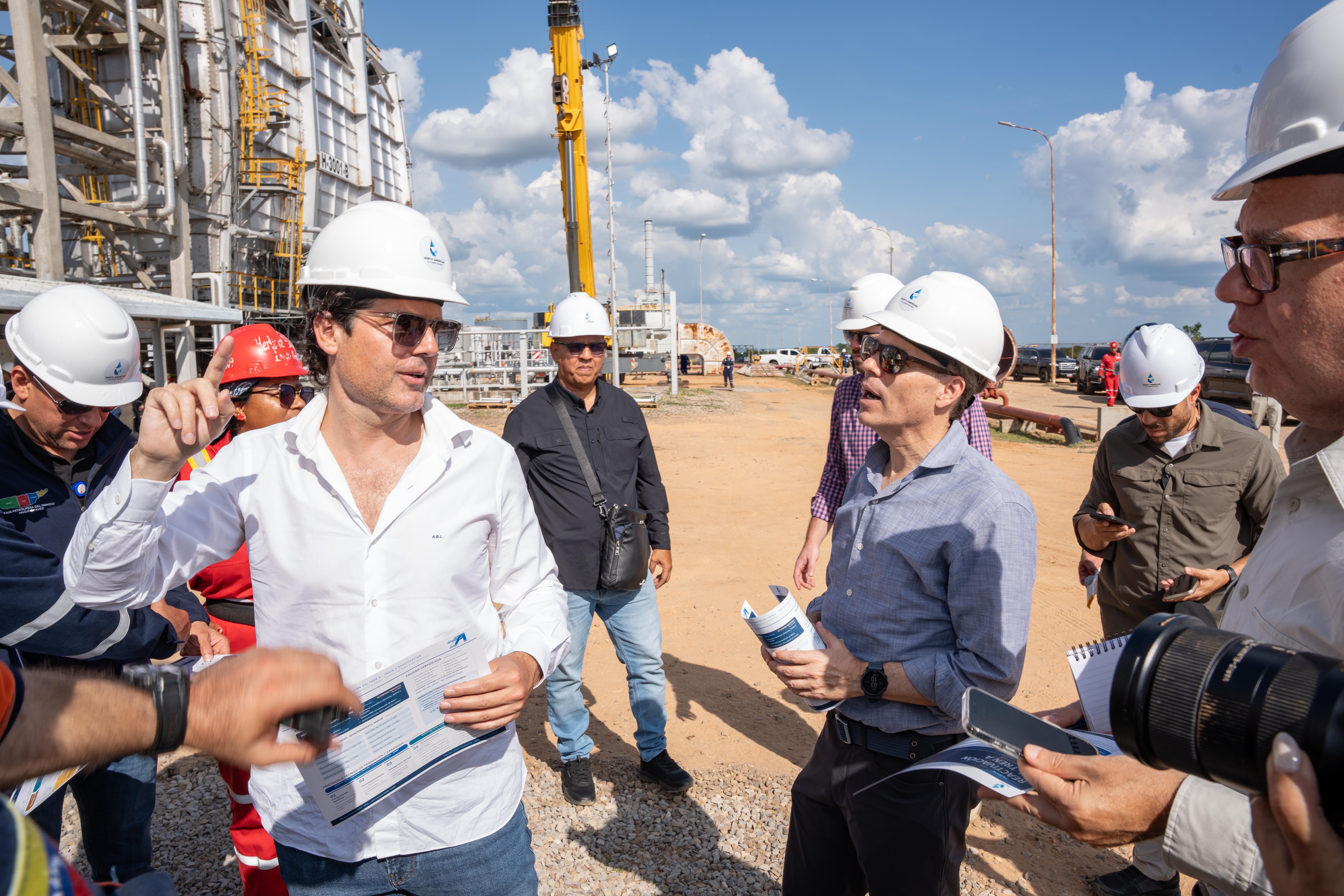
The drone footage above, which we provided to Reuters, shows new rigs, a well cluster at Junín 10 and our team at work. See up-close footage of individual rigs, that was also shared with Reuters, here and here.
On Oct. 30, Reuters published an article questioning whether NABEP can deliver on its plans for Venezuela’s oil fields. Before it ran, we answered their questions in full, in detail and in writing. We shared drone footage of our operations. And we offered to take them to our fields to see the work for themselves. They ignored that offer and published anyway.
Then Reuters kept only what suited its story:
- It gave the final word on our finances to an unnamed banker speculating from the sidelines. This person, who had no window into our books, said we’d need strong partners and massive funding. It left out what we told Reuters: our business plan doesn’t currently contemplate raising outside funding or offering new equity stakes. We’ve already proven we can grow without outside money, and that's our focus for the time being: we’re reinvesting hundreds of millions of dollars more into expanding production with every passing month.
- It said we’ll have to compete for rigs, in the same article that reports we’ve already lined up 60 of them. Six drilling rigs are already in Venezuela, three of them drilling at Junín 10, and we deployed 11 new workover rigs this month alone. We already “outcompeted” everyone for them.
- It built its case about unpaid bills on unnamed workers and contractors. We’ve been told by multiple contractors that they spoke positively to Reuters about working with NABEP. None of their comments were included in the article because they didn’t suit the reporters’ preconstructed, biased narrative.
- It leaned on older satellite images, which Reuters never shared with us, to suggest nothing was happening at seven of our fields. Most of them were of undeveloped greenfields we’d only just been given rights to develop in the weeks prior. A snapshot taken from hundreds of miles above and viewed from a desk in Houston can’t match the brand-new drone footage we gave Reuters, which shows in crystal clarity what’s actually happening on the ground in Venezuela: new rigs, a well cluster at Junín 10 and our team at work.
- It said we’re struggling to hire, and left out our answer: job applications keep growing. In less than a week after we opened registration at CEPEG 2026, the oil and gas conference in Maracaibo in mid-October, more than 12,000 Venezuelans applied to work with us and more than 1,800 companies registered as suppliers and contractors. The excitement on the ground is as palpable as the potential. You can’t see that in a satellite image.
We don’t mind being cast as the underdog. We’ve been underestimated before, and we’ve answered the same way every time: with tangible results. We welcome skepticism, but reporting should be grounded in facts, and this kind of irresponsible reporting is bad for Venezuela. It discourages the investment and talent the country needs to recover.
So we’re publishing everything we told Reuters, word for word, below. Judge for yourself.
Our full responses to Reuters
Below is the complete text of the written responses NABEP sent Reuters on Oct. 23, 2026, unedited.
You asked about what we’re seeing.
For decades, the full economic potential of Venezuela’s vast oil reserves has not been realized. Fields with immense production capacity went neglected or untouched. That stagnation meant the country missed out on world-class talent, equipment, and infrastructure. In just the past two months — since the NABEP deal was announced — we’ve reversed that trend, with new heavy machinery being onshored and deployed, new partnerships being brokered, and a new wave of hiring. We’re at the leading edge of a Venezuelan oil industry renaissance, and in the years ahead, will be judged by what we produce best: tangible results.
You asked about production and equipment.
NABEP reinvested about $1 billion of its net revenues over the last two years to increase production tenfold to about 200,000 barrels per day. This is a virtually unprecedented pace of growth in the industry — not just in Venezuela, but anywhere in the world.
Production continues to rise and was at 223,509 barrels on October 19. This reflects a combination of infrastructure improvements, artificial lift optimization, consistent power supplies, having a broader portfolio of fields, and adjustments made to work facilities.
NABEP has lined up 60 rigs, 30 steam boilers, and 70 pieces of heavy equipment for construction, amounting to the largest investment by a private Venezuelan company in years. Equipment that has not already been delivered will arrive in batches in the months and quarters ahead.
We currently have six drilling rigs in Venezuela. Three are working in the Junín area of the Faja. (We have drone footage that’s newer than the satellite images and could share it.) The two that recently arrived from Houston will be imminently re-commissioned and soon start working there as well. A sixth is in port and will head there too.
In terms of workover rigs, we have 13 in Venezuela and are waiting for 15 more to be delivered. These are mainly category 4 rigs.
You asked about funding and equity stakes.
We have grown without using outside investment or debt, and we will scale this model going forward. As cash flows rise each year, NABEP will continue to increase the amount it reinvests each year — by as much as 50% — to further grow production and meet our targets.
We have no plans whatsoever at the moment to offer equity stakes, and any suggestion that we have already done so is patently false. If you report this, it would merit a correction. Our business plan doesn’t contemplate raising outside funding. Speaking more broadly, we may forge commercial alliances and agreements with certain vendors to optimize workflows.
You asked about various agreements we have.
Our agreement with the U.S. government for a 35% stake in NABEP was signed and announced over the last weekend of August 2026. Under its terms, the U.S. has oversight of NABEP through the appointment of board members, the majority of which must be U.S. citizens, and clauses requiring the use of U.S. lawyers, auditors, and courts. NABEP did not receive any U.S. government funding as part of the deal. As you know, equity stakes in companies typically don’t expire.
NABEP has separate operating agreements with the Venezuelan government that stipulate the terms under which the company will develop the oil fields to which it has obtained licenses. These agreements ensure royalty fees, tax payments and related economic benefits accrue to the Venezuelan state. We assumed operating control of the 14 new fields on October 1, 2026. Agreements for these fields, and the three others we had before, come with production targets that we fully expect to reach.
You asked about our workforce and contractors.
Our workforce and the number of job applications we are receiving continue to grow. Venezuelans from across the industry at home and overseas are eager to join us. We plan to update workforce numbers on our website periodically. It currently lists 5,000 workers and 10,000 contractors.
NABEP pays every employee on its payroll on schedule, with highly competitive salaries and bonuses. The company has never left an employee unpaid.
(By way of background, social media chatter this week has mentioned protests at Petrozamora — those are PDVSA retirees. We can’t speak on behalf of PDVSA).
Our supplier base is expanding rapidly while we migrate to a new payments system adopted after sanctions were lifted. All invoices are being paid and any disruption will be addressed.
You asked about our development plans.
We are proceeding with implementing a comprehensive 25-year operations program that includes doing technical planning and development work on the 14 fields simultaneously at different paces over time, recognizing that each one is unique. In brown fields, NABEP is focused on boosting output through enhanced recovery techniques and improvements to pipelines, power, and compression equipment. With respect to green fields, technical planning and engineering work has already started and next year two green fields in the Faja will start seismic and infrastructure work. (Prior to the addition of the 14 fields, Petrozamora was already implementing its own specific improvement plan.)
It is worth noting that oilfield production technologies and recovery rates have improved over time and will continue to evolve. So skeptics who extrapolate forward based on a static past are likely to underestimate future production. NABEP will continue to increase production through consistent investments in wells, technologies, and infrastructure.
As for the satellite images, let us know if you see the new platforms, power generation sets, gas injection systems, and liquid gathering facilities we have installed on Lake Maracaibo. They are far bigger than any of the old pieces of equipment left behind by other operators.
No one denies the road ahead will be challenging — and that is precisely why NABEP is uniquely suited to get the job done.
You asked about banking and various inquiries.
Like any other company, NABEP has access to foreign banks. Mr. Betancourt has never been charged with any crime in any country.