What We Do
We operate from the reservoir to the market.
A company arriving in Venezuela today would have to spend years assembling rigs, heavy machinery, storage and ships. We already own them, and we have the people who know how to run them. That's why we can produce more, faster.
It takes six steps to move a barrel of oil out of the ground and into a refinery. We handle all six steps.
End-to-end production
Discover, drill, produce
- Discover: Reservoir studies and seismic analysis to decide where each well goes.
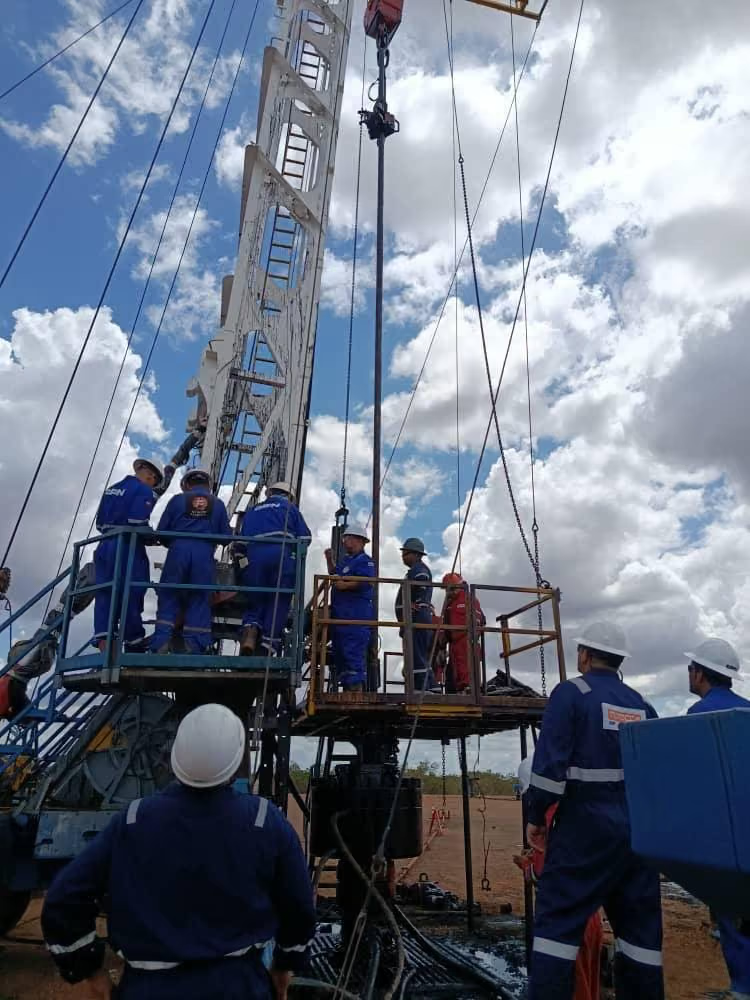
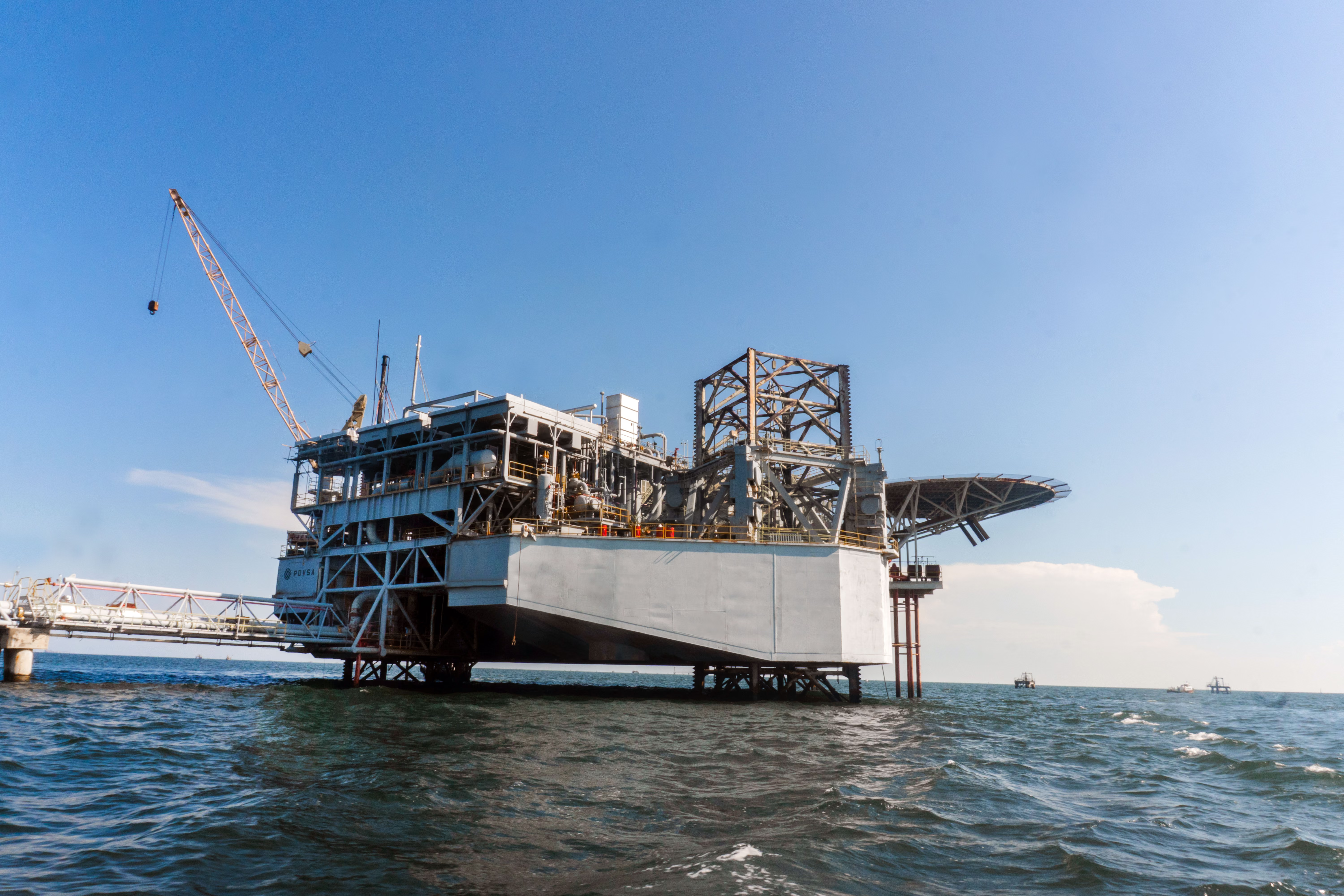
- Drill: Our own rigs, on land and on the water. The GP-28 barge on Lake Maracaibo.
- Produce: Reviving tired fields and developing new fields with new compression and flexible pipe in place of corroded lines. Steam injection moves extra-heavy crude.
End-to-end production
Process, ship, deliver
- Process: Treating and upgrading heavy crude to export grade.
- Ship: Our terminals, tanks and tankers move crude to market.
- Deliver: To buyers including Trafigura and Vitol, who supply refiners built for Venezuelan heavy crude, including on the U.S. Gulf Coast.
Two basins, East and West
West
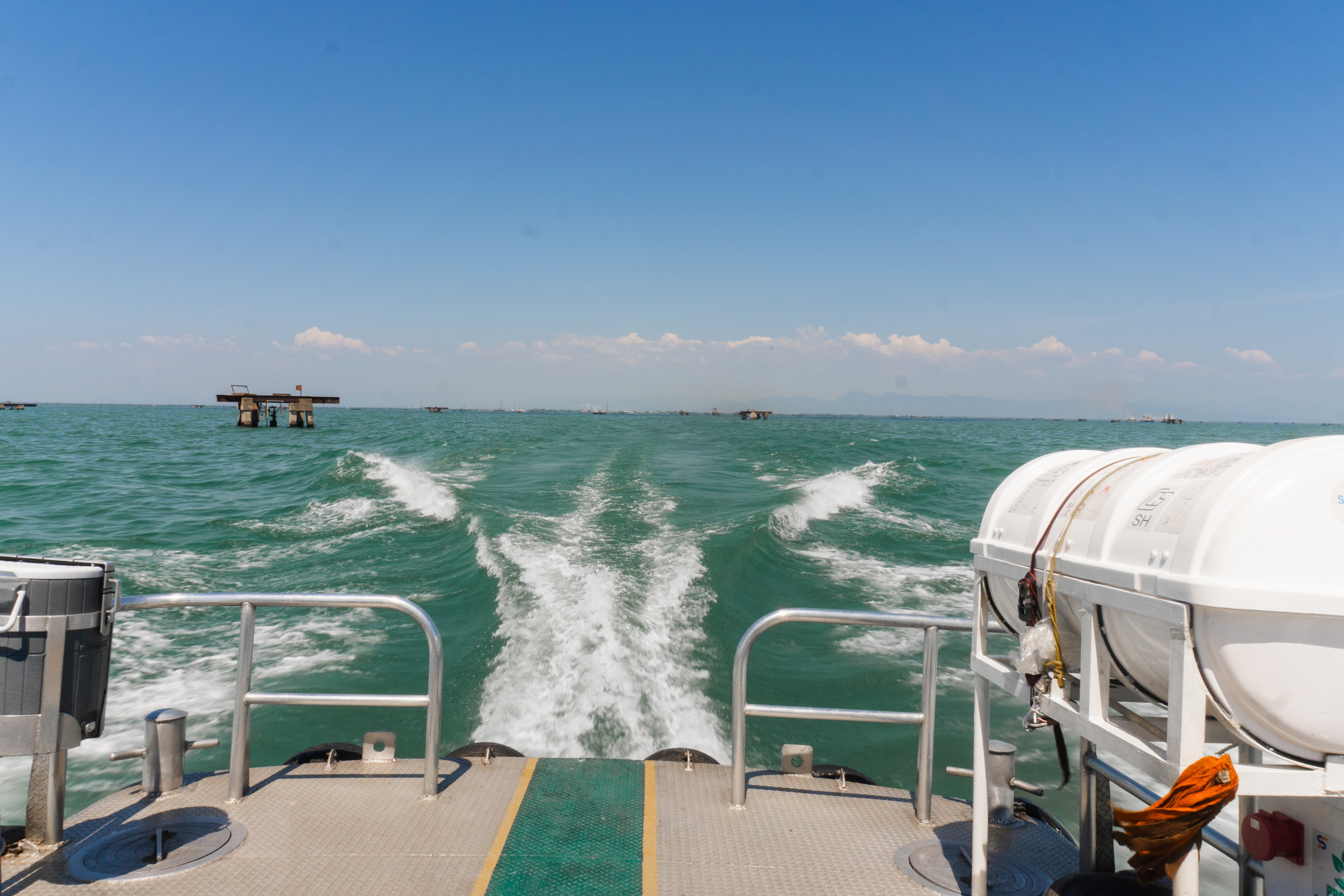
Lake Maracaibo
Where Venezuela's oil industry began. These fields don't need discovering. They need rebuilding. Petrozamora is where we proved it.
Crew base: Maracaibo, Zulia
East
Orinoco Belt
The world's largest deposit of heavy oil. Thick crude that takes steam, skill and patience to bring up.
Fields: Zuata 2, Junín 1, Junín 3, Junín 10, Junín 11, Boyacá 5, Boyacá 8, Ayacucho 6 and Ayacucho 7
Crew base: Lechería, Anzoátegui